The Rural School of Arts
Jolene in conversation
There are so many stories to tell and share, not just our own.
Our industry is vibrant and rich in stories, from the people who we work with daily in our bakeries, our patrons in the Arts, public health, politics, hospitality, education, science, wellness, space exploration, farming, fashion, conservation...
Whatever the backgrounds and from our bench outside Jolene Redchurch Street, we will aim to unearth the tales that deserve to be written to entertain, inform and inspire.
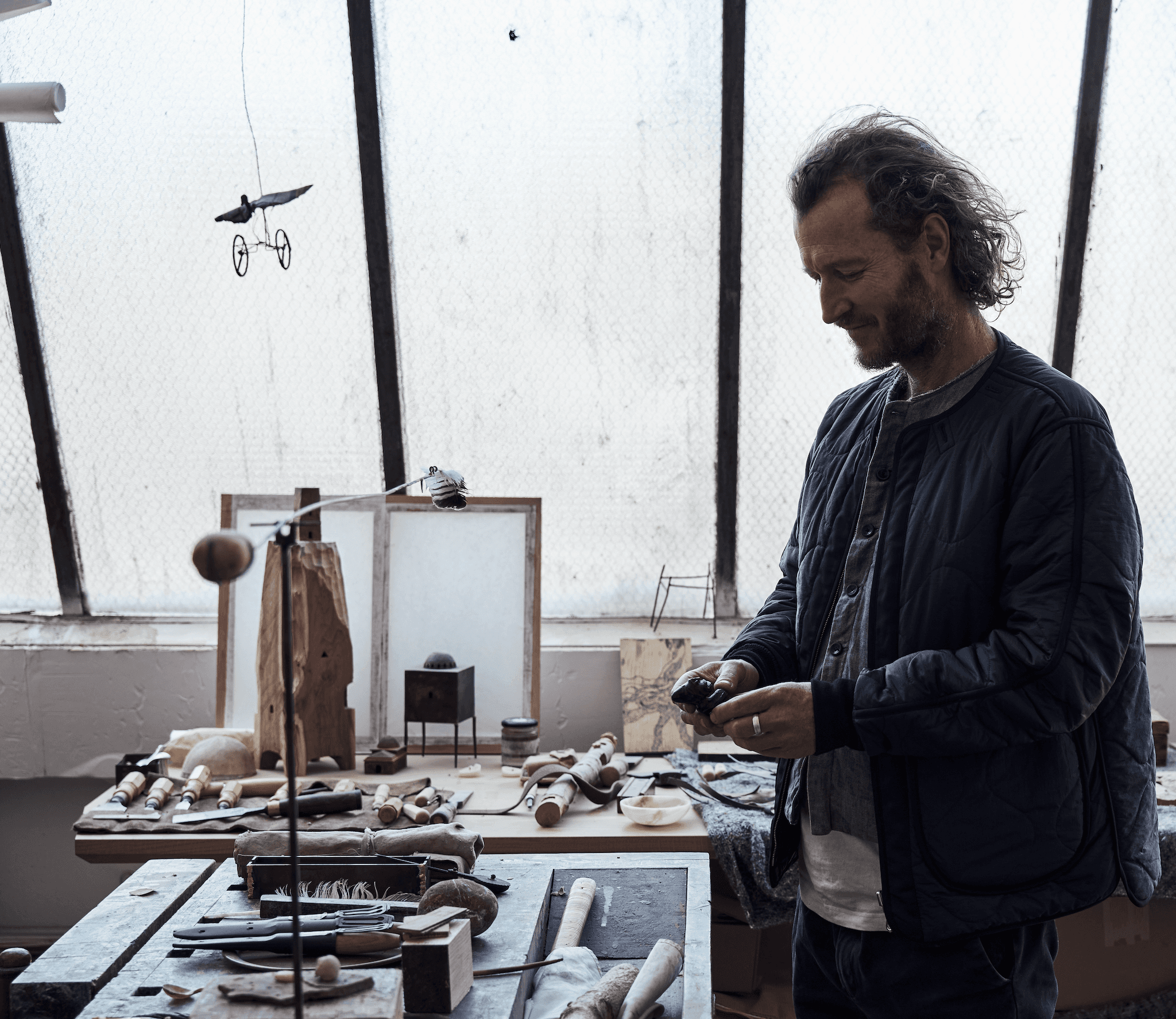
This week, we are in conversation with our friends Craig Bamford and Isik Sayarer, the elemental duo behind Sasa Works and The Rural School of Arts.
Tell us about you. What was the driving spirit behind the birth of Sasa?
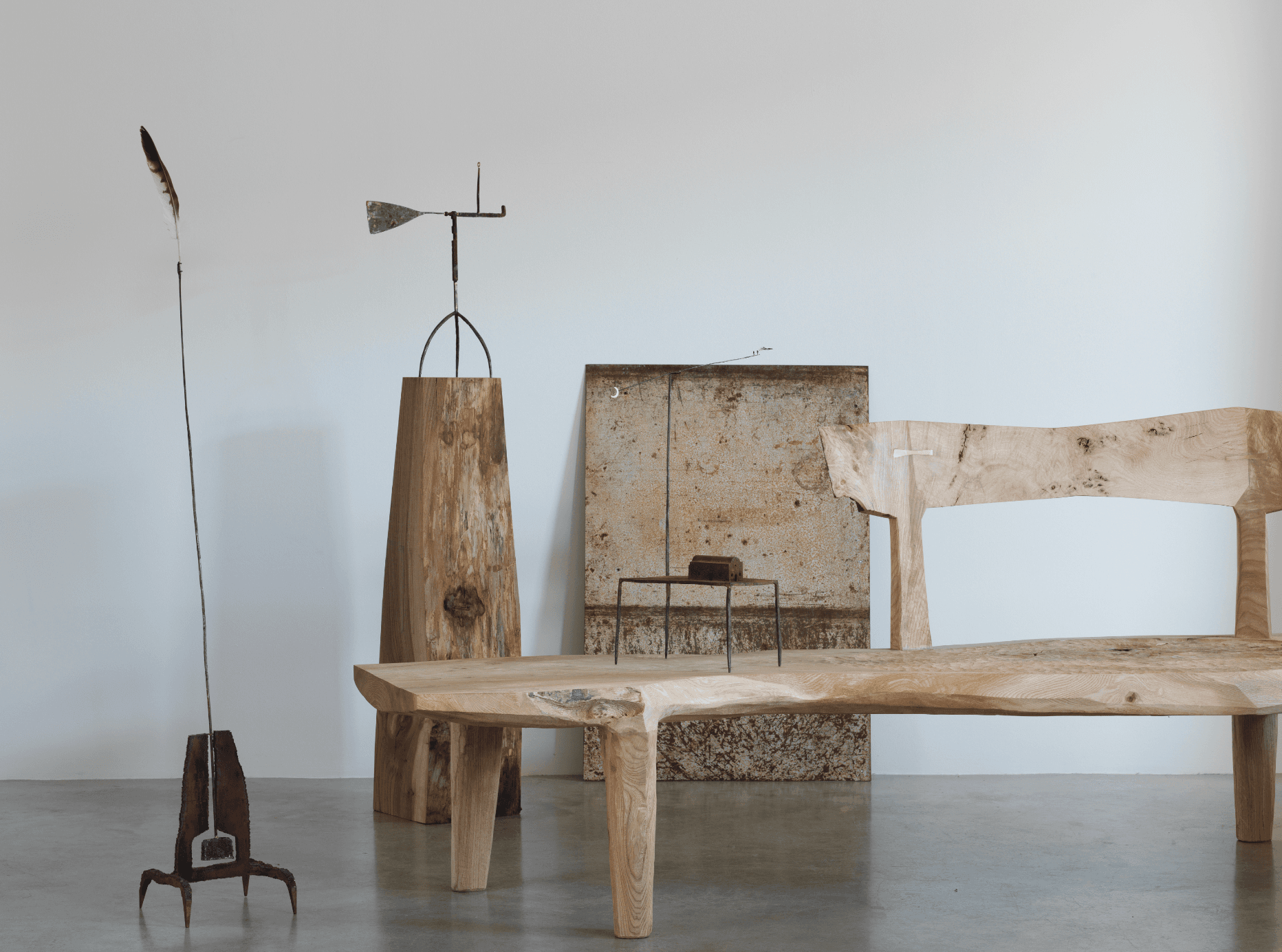
Sasa means now in swahili, the spirit is very much about making things in service to the now. In close contact with the elements - Sasa was also about focusing on what feels important to make in order to invite certain qualities into spaces, qualities of the felt, of quiet presence and of stillness.
Land and its energies seem to be central to the inspiration around your creations. Is your project in Portugal a way to give back to the Land?
There is a wonderful passage in an article by Vaclav Cilek, entitled Bees of the Invisible where he describes a series of what he called 'pilgrim rules' One of the rules is the 'Rule of Resonance' A place with which we resonate is more important than a place of great pilgrimage and the 'Rule of Correspondence' A place within a landscape corresponds to a place within the heart. A place in the heart, is a relationship. The place in Portugal speaks to these rules and is a way to give back to the land and also to ourselves as nature. It works on two points, the restoration and rewilding of land and the creation of The Rural School of Arts. A unique interdisciplinary arts school in the changing world, to cultivate vital hands and minds. We received the blueprint and we are currently fundraising to make it possible.
What was the journey that took you to Portugal and find the piece of Land you would like to turn into the "People's Forest" and The Rural School of Arts
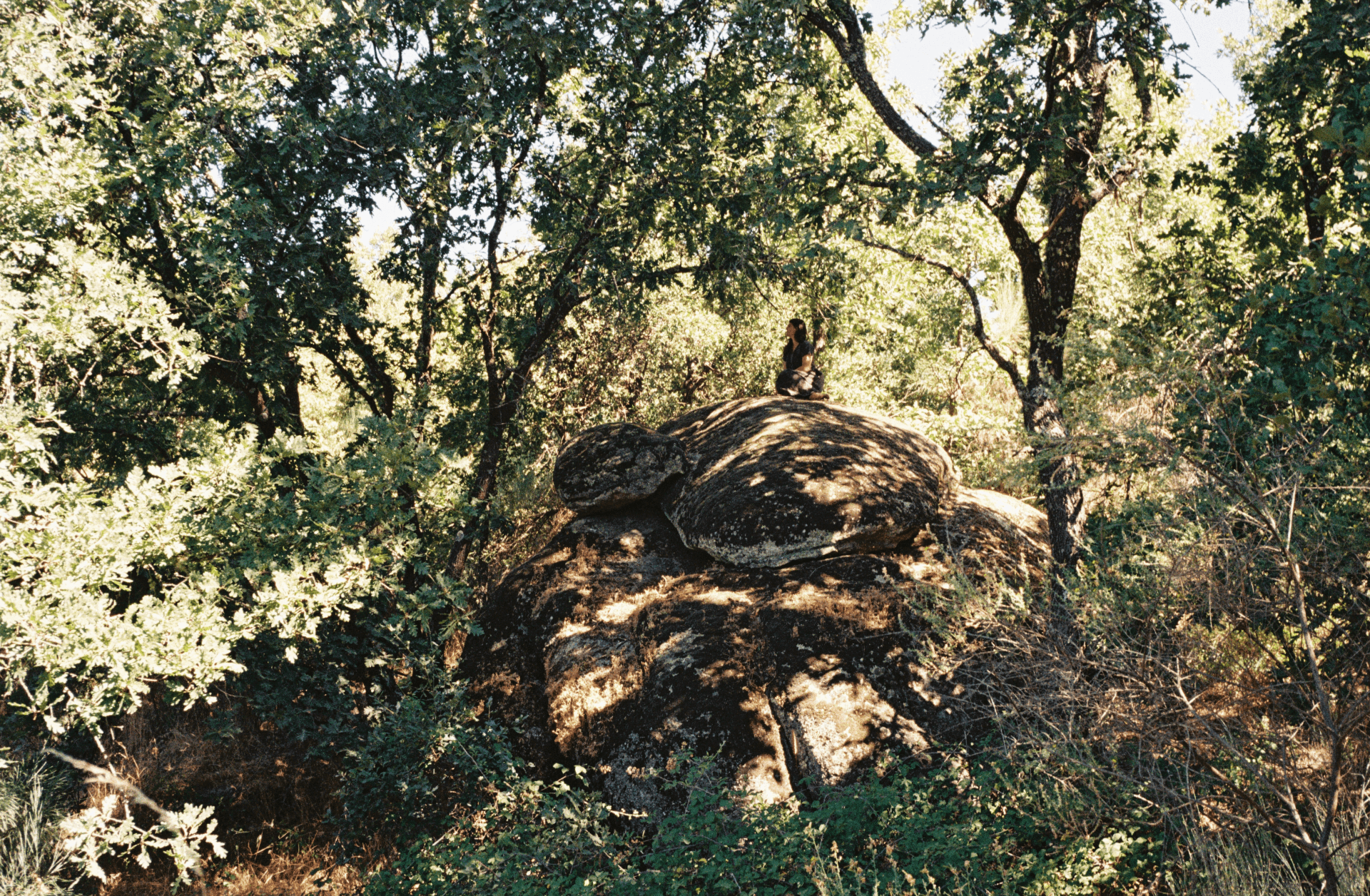
We first went to the region in 2017 and 3 years ago we bought a small farm and have been enjoying bridging between London and the Rural area. A place we return to for inspiration and land tending. Isik is very much in connection with trees and one day she said that a tree had altered her that the place on which it stood was under threat. The land in question had been wild for many years - once it was several farms, then a pine forest, but when the pine was cut down 20 years ago it was left, and gradually the indigenous cork oaks, oak, ash, willow have been growing back amongst the brush, making it a haven for deer, wild boar, tortoises, eagles, buzzards, golden oriels. We went to the local village and asked the mayor if he knew of any plans for the land and he shared that the place was just about to be pitched to a developer for intensive farming. A process that would remove the rocks and trees.We had an instant feeling that we had to somehow make it possible to save the land, bringing it into a model where it would be protected for future generations and within what we are calling the People’s Forest create an Arts School.
Tell us about the project.
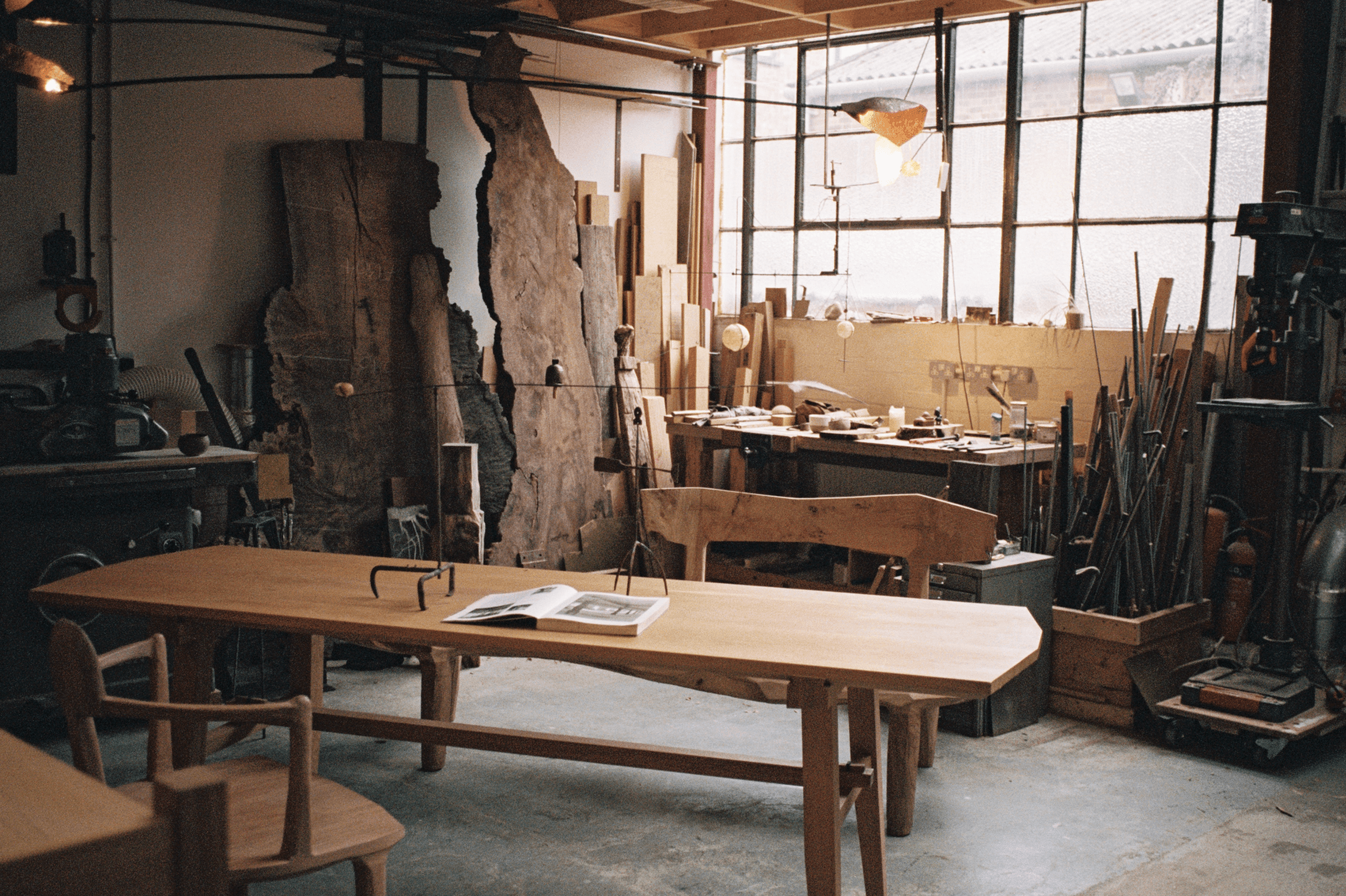
We would like it to be a place where people come to open their creative well and learn hands on skills from a range of practices. A place to be nourished. There are some wonderful old crafts still active in the area, but these are skills that are kept within a few of the older generation, and the school would be a wonderful place to invite these craftsmen to share their wisdom. This traditional way of making, coupled with a contemporary artistic thinking and listening to the land.
I assume the "People s Forest" will bridge the local community with visitors from other parts of the world. How will you achieve this synergy?
Before stepping into this it was important to gather support from the local community, Isik has been taking groups to the region for the last 7 years and when this project arrived full speed we have spent the last few months weaving connections with the local community. Some of these connections were already there and have deepened through these months. We have a model in mind that will offer cultural programming with the villages and also a desire to support them to repair some of the pilgrimage trials and sites through students who join us through the Living Crafts Programme. There is a lot of local support!
Once you have raised the funds to rescue the Land, what is the next practical stage for the "People s Forest" that people can get involved with?
People can be involved already tosupport the raise and the creative stewardship of the school. There are many routes in to be involved which are on our website for the project :
Including becoming a Resident Maker or one of our Creative Founding Stewards. Our practice talks often about stillness, and slowness and this is the first time we feel called to use the word urgent! Or a different quality of the now, linking I guess with the meaning of SASA. We have 10 days left to save the land from development and make this possible.
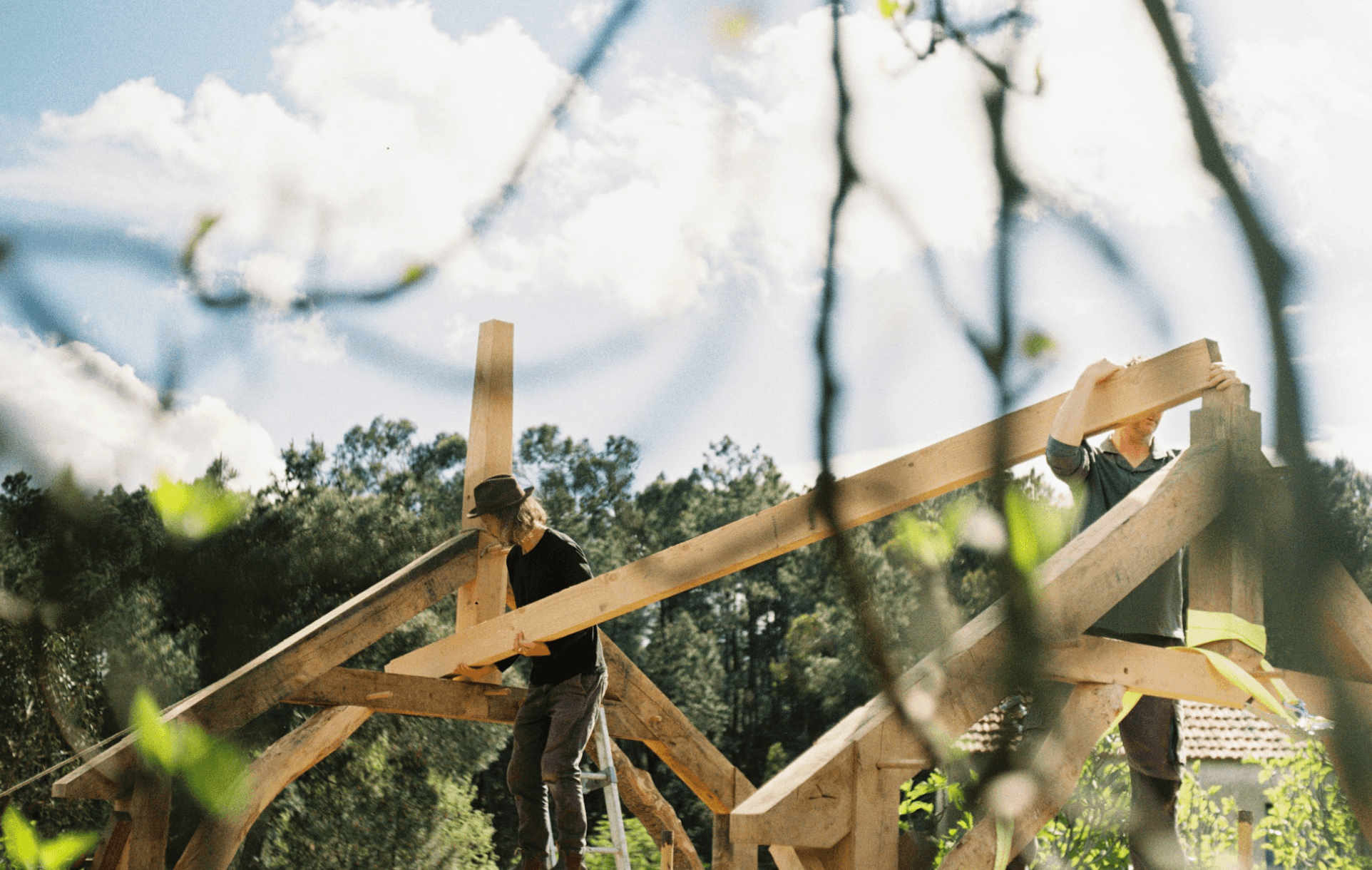
Once through these 10 days there will be workshops inspired by how Black Mountain College was built in the US. We will host a Living Crafts Programme to build the spaces of the school - through a series of residential workshops, with stone masons, carpenters, ceramicists, weavers….utilising the local traditional skills and materials. We will also begin wildcamps and journeys with ecological poetics. A key part of the work is to root back to the land,so every visitor will be nourished by organic produce supporting small scale producers. Later on we will open fully to host a range of experiences and online programmes.
What are the intentions and benefits behind the "People's Forest and The Rural School of Arts " locally and internationally?
For the project to be a beacon. To cultivate highly skilled hands and vital minds and inspire local and international communities to think differently about our relationship to land and place. To inspire the creation of works in harmony with the world around us.
With all the negative stories around the globe at the moment, it s wonderful to be able to embrace such a positive initiative. How have you found the public response to the "People s Forest and Rural School of Arts so far?
There is so much resonance for the project and the resonance is building everyday. Normally when these things seed as an idea, you may spend 3 plus years working towards it! We have had to move fast! In just over 6 months - So people are also being asked to move fast and believe in a collective positive force whilst still fully getting used to the idea. Another thing that has been curious is that people feel it has already happened or should exist so much that they don’t catch the fact that we have a short window to make it possible.
Assuming your target being reached to purchase the land, what is the time line for the Forest to host its first visitors?
Any one who supports us in the journey could visit from May onwards. Teaching would start in Autumn 2026.
Fundraiser link
Words
Jeremie Cometto & Craig Bamford
Pictures
Sam Luke Walton
SASA
SASA
Alberto Balazs
Michael Harvey